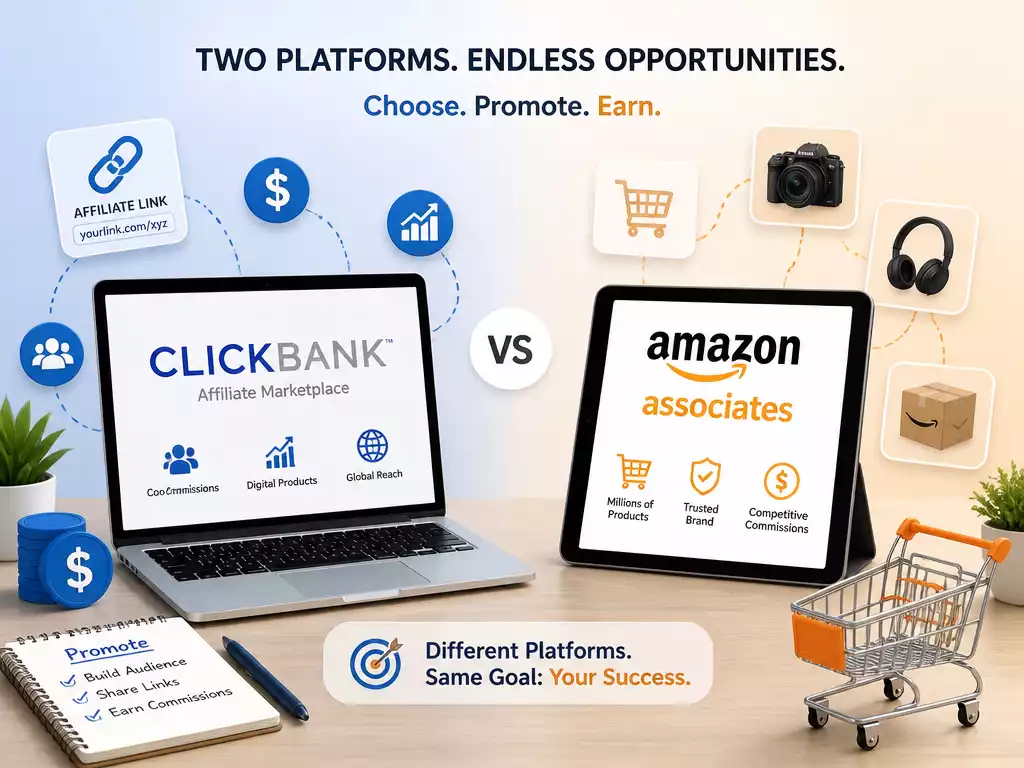
Affiliate marketing is not just a trend; it’s a viable way to generate income online while promoting products you believe in. As you embark on this journey, understanding the foundational elements will equip you for success. Here’s what you will gain from exploring the intricacies of affiliate marketing and Clickbank.
What You Will Learn
- Understanding the three key players in affiliate marketing: the merchant, the affiliate, and the customer.
- The importance of choosing a niche you are passionate about for better engagement.
- How Clickbank facilitates affiliate marketing with its wide variety of digital products and user-friendly interface.
- The necessity of compliance with FTC guidelines to build trust and maintain credibility.
- Tips for ethical marketing that foster audience trust, such as being genuine in your recommendations.
- Key metrics to track your affiliate marketing success, including conversion rates and average order value.
Understanding Affiliate Marketing and Clickbank Basics for Beginners
Affiliate marketing is a popular way to earn income online, and it’s relatively simple to understand once you get the hang of it! In essence, affiliate marketing involves promoting products or services for a company and earning a commission for each sale made through your unique affiliate link. This method allows you to monetize your online presence without having to create your own products. The best part? You can start with minimal investment!
So, how does it work? The process typically involves three main players: the merchant (company), the affiliate (you), and the customer. Here’s a quick rundown of the steps involved:
- The merchant offers an affiliate program and provides affiliates with unique links.
- The affiliate shares these links through various channels, like blogs or social media.
- When a customer clicks on the link and makes a purchase, the affiliate earns a commission.
It’s a win-win for everyone involved! As you dive deeper into the world of affiliate marketing, you’ll find that the right strategies can help you maximize your earnings while also providing value to your audience.
What is Affiliate Marketing and How Does It Work?

Affiliate marketing is a performance-based business model where you earn money by promoting other people’s products. You act as a bridge between the merchant and the customer, helping the merchant reach potential buyers while making a commission from each sale. It’s crucial to understand that your success in this field hinges on your ability to connect with your audience and recommend products that suit their needs.
To excel in affiliate marketing, consider these key components:
- Choosing the Right Niche: Find a niche that you’re passionate about and that has a demand in the market.
- Building Trust: Authenticity is key! Your audience should trust your recommendations.
- Effective Promotion: Utilize various channels to promote your links, whether through social media, email marketing, or content creation.
By focusing on these elements, you’ll build a solid foundation for your affiliate marketing journey!
Introduction to Clickbank: A Reliable Affiliate Platform
Clickbank is one of the most popular platforms for affiliate marketers, especially for those dealing with digital products. It acts as a middleman between merchants who want to sell their products and affiliates who want to promote them. The beauty of Clickbank lies in its extensive range of products, which means you can find something that aligns with your niche.
Here are some benefits of using Clickbank:
- Wide Variety of Products: Choose from thousands of digital products, from ebooks to software.
- User-Friendly Interface: The platform is easy to navigate, making it simple to track your sales and commissions.
- High Commissions: Affiliates can earn commissions ranging from 50% to 75%, which is quite lucrative!
As you start with Clickbank, you’ll appreciate how its features simplify the affiliate marketing process, allowing you to focus on what matters most—promoting products effectively!
The Role of Digital Products in Clickbank’s Affiliate Ecosystem
Digital products play a significant role in Clickbank’s affiliate ecosystem. These products, including online courses, software, and ebooks, don’t require physical inventory, making them easy to sell and distribute. This aspect greatly benefits both the merchant and the affiliate!
Here are some reasons why digital products are appealing:
- Instant Delivery: Customers receive their products immediately after purchase, enhancing user satisfaction.
- Lower Costs: Since there are no shipping fees or physical materials, the profit margins are usually higher.
- Scalability: Digital products can be marketed to a global audience without the constraints of geographical limitations.
As you explore Clickbank, keep in mind the immense potential that digital products offer in terms of revenue generation and scalability.
We Want to Hear From You!
What challenges have you faced while starting your affiliate marketing journey? Share your thoughts below:
Legal Considerations and Best Practices in Affiliate Marketing
When diving into affiliate marketing, understanding the legal landscape is crucial. Compliance with regulations isn’t just about following rules; it’s about building a foundation of trust with your audience. Let’s explore what affiliates need to know to stay compliant and promote ethically.
There are several regulations that impact affiliate marketers. Primarily, you should be aware of the Federal Trade Commission (FTC) guidelines, which mandate that you disclose your affiliate relationships. By being transparent, you can foster a loyal audience that appreciates your honesty.
Understanding Compliance and Regulations for Affiliates
Compliance may seem daunting, but it’s essential for avoiding penalties and maintaining credibility. Here are some key points to remember:
- Familiarize yourself with the FTC guidelines on endorsements.
- Ensure your affiliate partnerships are legitimate and trustworthy.
- Stay updated on any changes in legal requirements for affiliate marketing.
By adhering to these guidelines, not only do you protect your brand, but you also create a safe environment for your audience to engage with your recommendations.
Tips for Ethical Marketing and Building Trust with Your Audience
Building trust is the cornerstone of successful affiliate marketing. Here are some practical tips to ensure you’re marketing ethically:
- Be genuine in your recommendations—only promote products you believe in.
- Share personal experiences to add authenticity to your promotions.
- Engage with your audience by responding to their questions and feedback.
When you show your audience that you care about their needs, they are more likely to respect your recommendations and trust your judgment.
Importance of Disclosure for Affiliate Links

Disclosure is a fundamental aspect of ethical affiliate marketing. It’s not just a legal requirement; it’s about cultivating transparency. Here’s why you should prioritize disclosure:
- It builds trust—your audience will appreciate your honesty.
- It helps you comply with legal standards set by the FTC.
- It differentiates you as a reputable source in a crowded market.
Make it a habit to include disclosures in your posts whenever you share affiliate links. A simple phrase like “I may earn a commission if you purchase through my link” can go a long way in maintaining integrity.
Taking Action: Your Next Steps in Clickbank Affiliate Marketing
Now that we’ve covered the essentials for operating ethically within the affiliate marketing space, it’s time to take action! Starting your journey with Clickbank can seem overwhelming, but breaking it down into manageable steps can help.
Let’s consider the common questions beginners often ask about affiliate marketing, which may help clarify your path forward.
Frequently Asked Questions About Affiliate Marketing
What is affiliate marketing?
How does Clickbank work for affiliates?
Why are digital products important in Clickbank’s ecosystem?
What are the key legal considerations for affiliate marketers?
How can I build trust with my audience as an affiliate marketer?
What metrics should I track to measure my affiliate marketing success?
Common Questions Beginners Ask About Affiliate Marketing
Starting out can raise many questions. Here are some of the most frequently asked ones:
- How do I choose the right products to promote?
- What platforms should I use for marketing?
- How can I measure my success?
By seeking answers to these questions, you’ll gain a clearer understanding of affiliate marketing and how to navigate it effectively.
Encouragement to Start Your Affiliate Journey on Instagram
Getting started can be the hardest part, but remember, every expert was once a beginner. Embrace the learning process and take your first steps! Instagram is a fantastic platform to showcase Clickbank products, especially if you engage creatively with your audience. The platform continues to be a dominant force in social media use, as highlighted by recent research on social media usage.
Begin sharing your insights and experiences, and soon enough, you’ll have a following that supports your affiliate marketing efforts!
Key Metrics to Track for Your Affiliate Marketing Success
To ensure your Clickbank affiliate marketing efforts are effective, tracking key metrics is essential. Here are some metrics to monitor:
- Conversion rate: the percentage of visitors who make a purchase.
- Click-through rate (CTR): how often people click on your affiliate links.
- Average order value (AOV): the average amount spent each time a customer makes a purchase.
By keeping an eye on these metrics, you’ll be able to refine your strategy and improve your results over time!
Recap of Key Points
Here is a quick recap of the important points discussed in the article:
- Affiliate Marketing Basics: Involves promoting products for a commission; starts with minimal investment.
- Key Elements for Success: Choose the right niche, build trust, and promote effectively through various channels.
- Benefits of Clickbank: Offers a wide variety of digital products, user-friendly interface, and high commission rates.
- Legal Compliance: Be aware of FTC guidelines; disclose affiliate relationships to build trust and avoid penalties.
- Ethical Marketing Practices: Promote products genuinely, share personal experiences, and engage with your audience.
- Key Metrics to Monitor: Track conversion rates, click-through rates, and average order value to refine your strategy.