A Marketer’s Creative Compass in the Digital Wilds
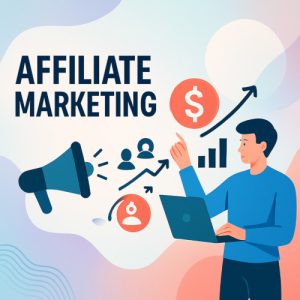
In the ever-evolving landscape of digital marketing, the notion of affiliate marketing often conjures images of sleek websites, meticulously crafted landing pages, and an intricate web of SEO strategies. For years, the website has been the undisputed cornerstone of any serious online venture, a digital storefront where products are showcased, and conversions are meticulously tracked. Yet, a quiet revolution has been brewing, challenging this conventional wisdom: the rise of affiliate marketing without a dedicated website. This isn’t merely a workaround; it’s a testament to ingenuity, a creative dance performed on the vibrant stages of social media, email inboxes, and burgeoning online communities. For the discerning marketer, this unseen path offers a compelling alternative, a chance to cultivate influence and drive sales without the traditional overheads and complexities of website management.
Beyond the Browser: Channels of Influence
The traditional affiliate marketing model, while still potent, often demands significant investment in web development, hosting, and ongoing maintenance. For many, especially those just dipping their toes into the affiliate waters or those with a penchant for agility, this can be a formidable barrier. However, the digital realm is vast and multifaceted, offering a plethora of platforms where influence can be wielded and connections forged without the need for a personal domain. These channels, often overlooked by purists, are becoming fertile ground for savvy marketers who understand the nuances of direct engagement and community building.
Looking for a fully managed business opportunity that requires minimal effort?
Social Media: The New Digital Agora
Social media platforms have transcended their initial role as mere communication tools; they are now bustling marketplaces, vibrant communities, and powerful engines of discovery. For affiliate marketers, platforms like Instagram, TikTok, Facebook, and even Pinterest offer unparalleled opportunities to connect with audiences directly. The key lies in understanding the unique dynamics of each platform and tailoring content to resonate with its native users. Instagram, with its visual-first approach, is ideal for showcasing products through compelling imagery and short videos. TikTok, the undisputed king of short-form video, allows for highly engaging and viral content that can quickly drive interest in an affiliate product. Facebook groups and pages, when cultivated effectively, can become powerful communities where recommendations are trusted and acted upon. Pinterest, often seen as a visual search engine, can drive significant traffic to affiliate offers through aesthetically pleasing pins and curated boards.
Email Marketing: The Intimate Connection
While the idea of email marketing without a website might seem counterintuitive, it’s entirely feasible and, in many cases, highly effective. The secret lies in building an email list through alternative means, such as lead magnets offered on social media, through online contests, or even via direct outreach in relevant online communities. Once an email list is established, it becomes a direct line of communication to a highly engaged audience. Unlike social media algorithms that can be fickle, email offers a consistent and personal touchpoint. Marketers can craft compelling narratives, share valuable insights, and subtly weave in affiliate offers, building trust and driving conversions over time. The power of email lies in its intimacy; it’s a conversation, not a broadcast, and this personal connection can translate into significant long-term value.
Online Forums and Communities: Niche Powerhouses
Before the advent of widespread social media, online forums and niche communities were the go-to places for enthusiasts to connect and share information. These platforms, though perhaps less flashy than their social media counterparts, remain incredibly powerful for affiliate marketers. Websites like Reddit, Quora, and countless specialized forums dedicated to specific hobbies, interests, or industries are teeming with highly engaged individuals actively seeking solutions and recommendations. The approach here is one of genuine contribution and value-add. By participating authentically, answering questions, and offering helpful advice, marketers can establish themselves as trusted authorities. Once credibility is built, subtly introducing relevant affiliate products as solutions to common problems can be incredibly effective. This method requires patience and a deep understanding of the community’s needs, but the rewards in terms of targeted traffic and high conversion rates can be substantial.
The Art of the Soft Sell: Building Trust Without a Home Base
Without a dedicated website, the affiliate marketer’s primary asset becomes their credibility and the trust they cultivate with their audience. This necessitates a shift from aggressive, direct selling to a more nuanced, value-driven approach. The absence of a central hub means that every interaction, every piece of content, and every recommendation carries more weight. It’s about becoming a reliable source of information, a helpful guide, and a genuine advocate for the products being promoted.
Content is King, Context is Queen
Even without a website, content remains paramount. However, the form and delivery of this content adapt to the chosen platforms. On social media, this might mean engaging video reviews, informative infographics, or compelling storytelling in captions. In email marketing, it translates to well-researched articles, personal anecdotes, and exclusive tips. In forums, it’s about thoughtful responses and comprehensive answers. The key is to provide value first, addressing pain points, offering solutions, and educating the audience. The affiliate link then becomes a natural extension of that value, a logical next step for someone who has already benefited from the marketer’s insights. Context is crucial; understandingwhy andhow a product fits into the audience’s needs is far more effective than simply shouting about its features.
Transparency and Authenticity: The Unbreakable Bond
In an era of increasing skepticism, transparency is not just a best practice; it’s a necessity. When operating without a website, where a brand’s legitimacy might be less immediately apparent, being upfront about affiliate relationships is vital. Disclosing that a link is an affiliate link builds trust and demonstrates integrity. Authenticity, too, plays a critical role. Audiences are discerning; they can spot insincerity from a mile away. Promoting products that one genuinely believes in, and ideally, has personal experience with, resonates far more deeply than simply pushing whatever offers the highest commission. This genuine enthusiasm and belief foster a stronger connection, transforming casual followers into loyal customers.
Navigating the Challenges: The Road Less Traveled
While affiliate marketing without a website offers numerous advantages, it’s not without its challenges. Tracking conversions, managing multiple platforms, and adapting to ever-changing algorithms require a different set of skills and a proactive mindset. The lack of a centralized data hub means that marketers must rely on the analytics provided by individual platforms and affiliate networks, which can sometimes be fragmented. Moreover, the ephemeral nature of social media content means that consistent effort is required to maintain visibility and engagement. However, these challenges are not insurmountable; they simply demand a more strategic and adaptable approach.
Diversification: Spreading the Seeds of Success
Just as a website-based affiliate marketer diversifies their traffic sources, those operating without a website must diversify their platforms. Relying solely on one social media channel, for instance, can be risky due to algorithm changes or platform policy shifts. By cultivating a presence across multiple relevant channels, marketers can mitigate risk and ensure a more stable flow of traffic and conversions. This multi-channel approach also allows for reaching different segments of the target audience, maximizing overall reach and impact.
Landing Pages and Link Cloaking: Essential Tools
Even without a full website, the use of simple landing pages and link cloaking services becomes invaluable. A dedicated landing page, often provided by the affiliate network or created using a simple landing page builder, can serve as a focused conversion hub, guiding us.
Looking for a simple fully managed business opportunity that requires minimal effort?