Understanding the ins and outs of affiliate marketing can be the key to unlocking a steady stream of income. But did you know that the success of your campaigns hinges significantly on one often-overlooked factor: refund rates? In this article, we delve into the importance of analyzing refund rates on ClickBank and how it can transform your affiliate marketing strategy.
What You Will Learn
- High refund rates can significantly impact your overall profitability as an affiliate.
- Choosing products with lower average refund rates can enhance your earnings.
- Transparent refund policies foster customer trust and reduce refund disputes.
- Regularly monitoring refund rates allows for timely adjustments in your marketing strategies.
- Engaging with customers and soliciting feedback can improve product satisfaction and retention.
Insights into ClickBank Affiliate Marketing Refund Rates
When diving into ClickBank affiliate marketing, understanding refund rates is crucial. Refund rates refer to the percentage of products returned by customers after purchase, and they can significantly impact an affiliate’s profitability. High refund rates can eat into your commissions, making it essential to analyze these figures to ensure your marketing efforts are effective. For more insights into how digital marketing platforms handle refunds, consider resources like MarketingProfs’ article on understanding refund rates.
By keeping an eye on refund rates, you can better select products to promote and adjust your strategies accordingly. Remember, a product with a high refund rate might signify customer dissatisfaction, which can also reflect on your reputation as an affiliate. The New York Times has also covered ClickBank’s role in digital marketing, highlighting its significance in the industry.
Understanding the Importance of Refund Rates
So, why should we care about refund rates? A high refund rate can indicate issues such as poor product quality or misleading marketing claims, which can have a direct effect on your earnings. Here’s what you need to consider:
- Profitability Impact: High refunds decrease your overall earnings.
- Customer Trust: It can damage your credibility as an affiliate.
- Market Analysis: High refunds can signal a potential market shift or dissatisfaction.
Understanding these elements helps you make more informed decisions when selecting products to promote. Essentially, if you can manage or lower refund rates, you stand a better chance of increasing your earnings over time.

Average Refund Rates for ClickBank Products
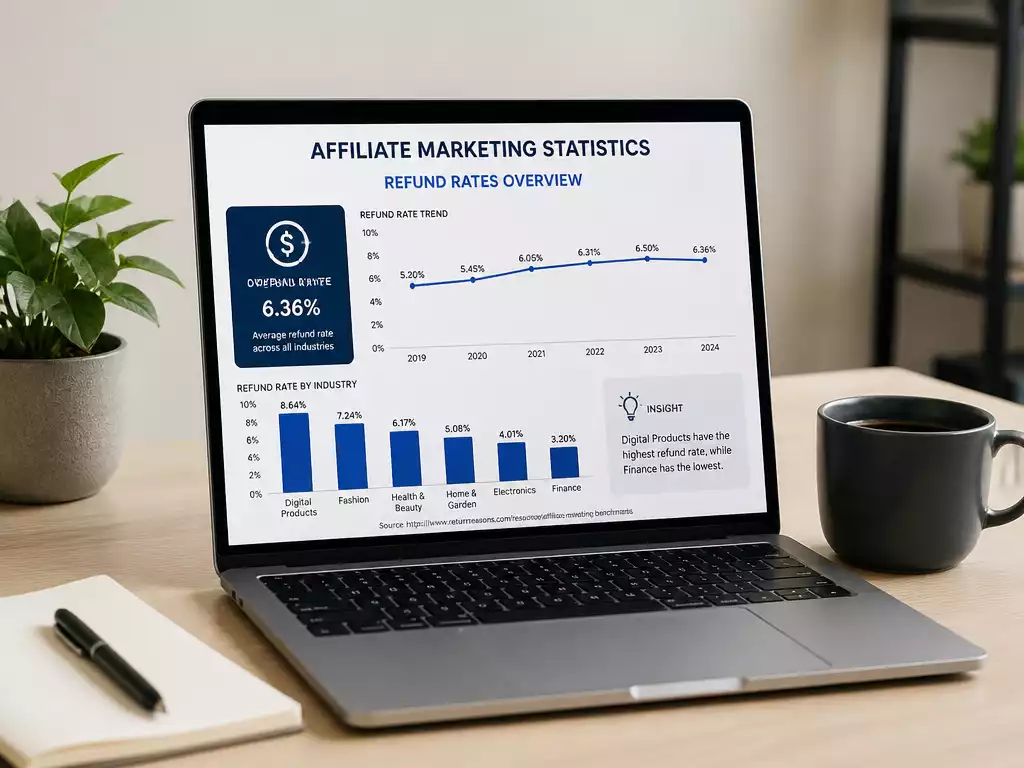
Let’s take a closer look at the average refund rates across various categories on ClickBank. Generally, refund rates can vary widely depending on the type of product, with some industries experiencing higher rates than others. Here’s a breakdown:
- Health and Fitness: Average refund rate of 20-30%
- Personal Development: Average refund rate of 15-25%
- Software Products: Average refund rate of 10-20%
These figures show that certain niches may be more prone to refunds than others. By analyzing these averages, you can strategically choose which products to promote, focusing on those with lower refund rates for better profitability.
The Role of Refund Policy Transparency in Affiliate Success
Transparency in refund policies plays a significant role in affiliate marketing effectiveness. When a product has a clear and fair refund policy, it builds trust with potential customers. Here are a few reasons why this matters:
- Informed Decisions: Customers can make confident purchasing decisions when they know the refund terms.
- Reduced Refunds: Clear policies often lead to fewer disputes and refunds.
- Enhanced Reputation: Affiliates promoting transparent products build a stronger reputation.
As an affiliate, it’s vital to promote products with clear refund policies. This not only helps reduce refund rates but also boosts customer satisfaction and trust in your recommendations. You can always refer to ClickBank’s official return policy for detailed information on their guidelines.
Frequently Asked Questions About ClickBank Refund Rates
What are refund rates in ClickBank affiliate marketing?
Why are refund rates important for affiliate marketers?
What are the average refund rates for different product categories on ClickBank?
How does refund policy transparency affect affiliate success?
What steps can affiliates take to improve performance and reduce refund rates?
We Want to Hear From You!
What factors do you consider most when evaluating products to promote on ClickBank? Share your thoughts below:
Summarizing Key Points on ClickBank Refund Rates
As we wrap up our discussion on ClickBank refund rates, it’s essential to focus on the key insights and strategies we’ve explored. Understanding refund rates is crucial for any affiliate marketer looking to maximize their profitability. We’ve seen how high refund rates can significantly impact earnings, making it imperative to monitor and manage these rates effectively.

We’ve also touched on the importance of transparency in refund policies, which builds trust with consumers and can lead to better customer retention. By implementing the strategies shared, you can create a more sustainable affiliate marketing business that thrives even in competitive niches!
Recap of Important Insights and Strategies
Here’s a quick recap of the important insights we’ve discussed regarding ClickBank refund rates:
- Understanding refund rates can help you gauge product performance and profitability.
- Monitoring your refund rates regularly allows you to identify trends and take action.
- Transparent refund policies enhance customer trust and reduce the likelihood of refunds.
- Implementing strong marketing strategies can lead to lower refund rates.
By keeping these points in mind, you can better navigate the world of ClickBank affiliate marketing. It’s all about knowing when to pivot and adapt to ensure you maintain a healthy income stream.
Next Steps for Affiliates Looking to Improve Performance
Now that you have a solid understanding of refund rates, what’s next? Here are some actionable steps you can take to improve your performance as an affiliate:
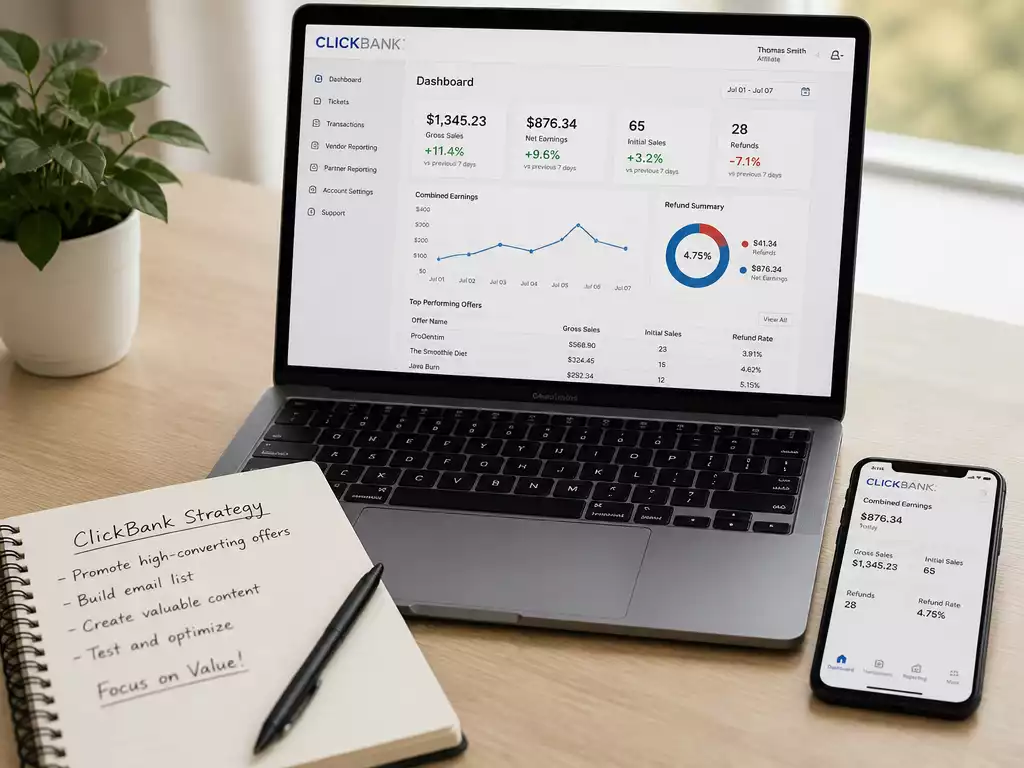
- Utilize the ClickBank Dashboard to regularly check your products’ refund rates.
- Experiment with different marketing strategies to identify what resonates with your audience.
- Engage with your customers and seek feedback to enhance their experience.
By implementing these steps, you can not only reduce refund rates but also boost your overall affiliate success. Take action today, and watch your profits grow!
Encouragement for Ongoing Learning and Engagement
Join the Community of ClickBank Affiliates
One of the best ways to enhance your knowledge and skills is to connect with others in the field. I encourage you to join communities of ClickBank affiliates where you can exchange tips and share experiences. Engaging with fellow marketers can provide invaluable insights and help keep you motivated!
Stay Updated on Best Practices and Trends
The affiliate marketing landscape is ever-changing, and it’s crucial to stay informed. Follow industry news and updates regarding ClickBank policies and trends. Here are a few ways to keep yourself updated:
- Subscribe to affiliate marketing blogs and newsletters.
- Follow influential marketers on social media.
- Participate in webinars and online workshops.
By staying informed, you can adapt your strategies to current best practices and continue to thrive!
Exploring ClickBank University for Further Learning
For those looking to dive deeper into ClickBank’s workings and affiliate marketing strategies, ClickBank University is an excellent resource. They offer comprehensive courses that focus on everything from driving traffic to managing refunds effectively. If you’re serious about maximizing your affiliate potential, consider enrolling in ClickBank University and take your skills to the next level!
Recap of Key Points
Here is a quick recap of the important points discussed in the article:
- Understanding refund rates is essential for assessing product performance and profitability.
- Regularly monitoring refund rates helps identify trends and allows for timely adjustments in strategy.
- Promoting products with transparent refund policies builds customer trust and can decrease refund rates.
- Implementing effective marketing strategies can contribute to lower refund rates and increased earnings.